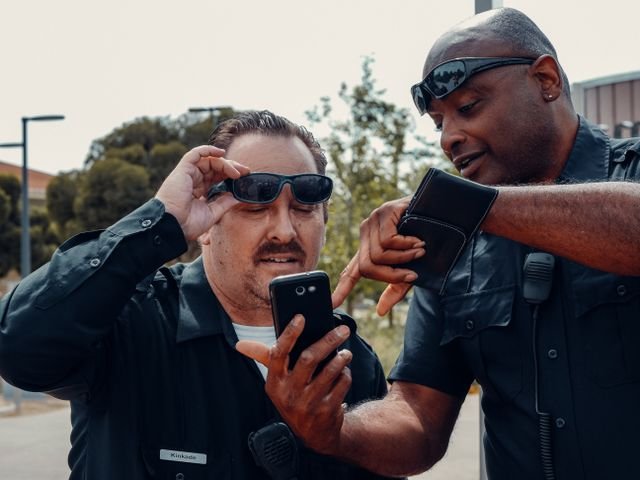
security guard Melbourne security does not always require a guard stationed at a property around the clock. For many Melbourne businesses, construction sites, commercial properties and vacant buildings, mobile patrol security can provide a practical way to have trained security personnel regularly checking the site without maintaining a permanent on-site presence.
A mobile patrol involves security officers travelling between properties and conducting scheduled or agreed checks. Depending on the service, patrols may involve checking entrances, gates, perimeter areas and other agreed locations, looking for signs of damage, trespassing or unusual activity and recording what was found.
The right approach depends on the property’s risks, operating hours, location and existing security systems. This article explains how mobile patrol security works in Melbourne, when it can be useful, what a patrol can and cannot do, and what to check when comparing security providers.
What Is Mobile Patrol Security?
Mobile patrol security is a service where licensed security personnel use a vehicle to visit and inspect a property at agreed times or according to a defined patrol schedule.
Rather than having a security guard remain at one location for an entire shift, a mobile patrol officer can visit multiple sites as part of their duties.
A typical patrol may involve checking:
- External doors and gates
- Perimeter fencing
- Windows and accessible entry points
- Car parks
- Storage areas
- Construction zones
- Plant and equipment
- Signs of damage or forced entry
- Unusual activity around the property
The exact duties should be defined in the service agreement. A patrol is not simply a drive past the building; the provider should have a clear procedure explaining what officers inspect and how findings are documented.
Under Victorian law, security guarding includes protecting, watching or guarding property, including by patrolling the property in person. Private security activities are regulated by Victoria Police’s Licensing and Regulation Division.
How Does Mobile Patrol Security Work?
The process normally starts with a security assessment or discussion about the property’s requirements.
The security company needs to understand what is being protected, when the site is occupied, known vulnerabilities and what the client expects officers to do during a patrol.
1. The property is assessed
The provider identifies relevant areas of the site and potential security concerns.
For a construction site, this might include perimeter fencing, equipment storage and access gates. For a commercial property, the focus may include entrances, loading areas, car parks and vulnerable external areas.
2. A patrol schedule is established
Patrols can be arranged around the property’s operating requirements.
Some sites may require regular scheduled visits, while others may use patrols during particular periods when the property is unoccupied.
The schedule should be designed around the actual risk rather than simply selecting an arbitrary number of visits.
3. The officer attends the site
A licensed security officer travels to the property and carries out the agreed checks.
Depending on the service arrangement, the officer may inspect the perimeter, verify access points, look for signs of damage and identify anything that appears unusual.
4. Findings are recorded
A professional patrol service should maintain records of patrol activity and relevant observations.
The format varies between providers. Reports may document the time of the patrol, areas checked, issues identified and actions taken.
5. Issues are escalated
If an officer discovers something requiring attention, the agreed escalation procedure should determine what happens next.
This might involve contacting the nominated site representative, following an alarm-response procedure or contacting emergency services where appropriate.
Security personnel do not replace police or emergency services. Serious incidents should be handled according to the circumstances and applicable procedures.
When Does a Melbourne Business Need Mobile Patrol Security?
Mobile patrols can be particularly useful when a property needs a physical security presence but does not necessarily require a permanently stationed guard.
Construction sites
Construction sites can contain equipment, materials, temporary structures and partially completed buildings.
A mobile patrol can provide physical checks outside normal working hours and help identify obvious signs of intrusion, damage or other issues.
Vacant commercial properties
An empty building can still require regular attention.
Vacant properties may have unsecured entrances, damaged fencing, broken windows or other issues that need to be identified promptly.
Regular patrols provide a physical inspection rather than relying entirely on an alarm or camera system.
Warehouses and industrial properties
Large industrial sites can have extensive perimeters and multiple access points.
Mobile patrols can be structured around gates, loading areas, car parks and other agreed locations.
Retail properties
Businesses that close overnight may use patrols as part of a broader security strategy, particularly where the property has external areas that need checking.
Commercial offices
An office building may have limited activity outside normal business hours. Patrols can provide an additional physical security layer when employees are not present.
Mobile Patrols vs Static Security Guards
The choice between mobile patrols and a static guard depends largely on the level and type of presence required.
A static security guard remains at an assigned location for the agreed period. This may be appropriate when a property requires continuous on-site security, access control, visitor management or a visible guard presence.
A mobile patrol officer moves between locations and conducts checks according to the patrol plan.
Mobile patrols can therefore suit properties where continuous on-site guarding is unnecessary but periodic physical checks are valuable.
For some businesses, the two services can also form part of the same security plan.
Mobile Patrols vs Alarm Monitoring
Alarm systems and mobile patrols perform different functions.
An alarm can detect a defined event, depending on the equipment and configuration. Cameras can provide visual information. A mobile patrol physically attends the property and checks agreed areas.
Using multiple layers can therefore provide a broader security approach.
For example, a business might use:
CCTV: visual monitoring and evidence.
Alarm system: detection of specified events.
Mobile patrol: physical site inspection.
Static security: continuous on-site presence where required.
The appropriate combination depends on the property’s risks and operating environment.
What Should a Mobile Patrol Include?
Before signing a contract, ask exactly what the patrol service covers.
Important questions include:
- Which areas will officers inspect?
- How frequently will patrols occur?
- Are patrol times fixed or varied?
- How are patrols documented?
- What happens when an issue is identified?
- Who receives incident reports?
- Is alarm response included?
- What happens if an officer cannot safely access the site?
- What happens if police or emergency services are required?
- Are additional visits available when circumstances change?
Avoid choosing a service based solely on the number of patrols advertised. The scope of each patrol matters just as much.
Why Varying Patrol Times Can Matter
If every patrol occurs at exactly the same time, the routine may become predictable.
Depending on the security plan, a provider may recommend varying patrol times or routes. The appropriate approach depends on the property, agreed procedures and operational requirements.
The important point is to have a documented patrol strategy rather than assuming that simply increasing the number of visits automatically provides better protection.
Choosing a Licensed Security Provider in Victoria
Licensing is a key consideration when engaging private security services in Melbourne.
Victoria Police regulates the private security industry in Victoria. Since changes introduced from 19 June 2025, private security activities are licensed activities, and businesses and individual operators must hold the appropriate authority for the activities they undertake.
Victoria Police also maintains a public register containing licence or registration information and the activities authorised under the relevant authority. It specifically advises members of the public to engage operators who are appropriately licensed or registered for the activity being undertaken.
For a business client, this provides a straightforward check before engaging a provider: verify the relevant licence details rather than relying solely on a company’s marketing material.
Consider the Property’s Actual Risk
There is no universal patrol schedule that suits every Melbourne property.
A low-occupancy commercial building in one location may have very different requirements from a busy industrial site, construction project or retail premises.
Consider:
- Property size
- Number of access points
- Perimeter length
- Operating hours
- Existing alarms and CCTV
- Lighting
- History of incidents
- Equipment or stock stored on site
- Vacancy periods
- Nearby activity
- Required response procedures
A professional provider should be able to explain why its proposed patrol arrangement suits the site rather than simply offering a generic package.
Common Mistakes to Avoid
Choosing the cheapest patrol package
Price alone does not tell you how thoroughly a property will be checked. Compare the scope, frequency, reporting and escalation process.
Failing to define the patrol route
A vague instruction such as “check the property” can create uncertainty. Identify the areas and access points that need attention.
Assuming patrols guarantee prevention
A mobile patrol is a security measure, not a guarantee that an incident cannot occur. Its value depends on the site’s risk profile and the wider security strategy.
Ignoring reporting
Incident and patrol records can be important for understanding recurring problems. Ask how reports are created, stored and delivered.
Not checking licensing
Use the Victoria Police public register to verify that the relevant security business or individual is authorised for the activity being provided.
Treating mobile patrols as a substitute for every other security measure
Some properties may need CCTV, alarms, access control, lighting, static guards or other measures alongside patrols.
Frequently Asked Questions
How often should a mobile security patrol visit a property?
There is no single schedule that applies to every property. Patrol frequency should be based on the site’s risks, operating hours, layout and existing security measures.
Are mobile patrol officers licensed in Melbourne?
Private security activities in Victoria are regulated by Victoria Police. Security guards and relevant security businesses need the appropriate Victorian authority for the activities they undertake. Licence details can be checked through the Victoria Police public register.
Can mobile patrol security respond to an alarm?
Some security providers offer alarm-response services as part of their patrol arrangements, but this is not automatically included in every service. Confirm the response procedure and scope in the contract.
Is mobile patrol security suitable for construction sites?
It can be suitable where a construction site needs periodic physical inspections outside working hours. The patrol plan should account for the site’s access points, fencing, equipment and changing construction conditions.
What is the difference between mobile patrols and security guards?
Mobile patrol officers travel between locations and conduct agreed checks. A static security guard remains at an assigned site for the agreed period. The appropriate option depends on the level of continuous presence required.
How can I check a security company’s Victorian licence?
Victoria Police maintains a public register of licence, registration and permit holders. The register includes the type of authority and activities authorised under it.
Final Thoughts
Mobile patrol security can provide a practical physical security layer for Melbourne properties that do not require a permanent guard on site.
The most useful approach is to start with the property itself: identify vulnerable areas, determine when the site is most exposed and establish exactly what officers should check. From there, compare providers based on patrol scope, reporting, escalation procedures, licensing and the way the service integrates with existing alarms, CCTV and access controls.
If you are considering mobile patrols for a commercial property, construction site or vacant building, arrange a site assessment with a licensed security provider. A site-specific assessment can help determine the patrol frequency and security measures that are appropriate for the property’s circumstances.